Balance cube gain with selectivity, fire and maintenance aisles, recovery access and future expansion seams.

About Hänel
About Hänel: a direct RFQ path for teams that already know their loads
Hänel exists for warehouse teams that prefer clear requirements over theatrical automation stories. Since 2015 we have focused on vertical storage, dense tote cells and AS/RS interfaces where load envelopes, SKU velocity and acceptance gates can be written down before capital commitments harden.
Our company size stays intentionally compact—about sixty specialists—so application, integration and documentation support stay attached to the same project thread. We serve evaluation programs across six countries with more than two hundred fifty catalog configurations used as planning scaffolds, not as certificate claims.
How the Hänel method took shape
Early projects showed the same failure pattern: density targets were approved without fire-aisle geometry, pick rates were quoted without peak windows, and WMS messages arrived without exception ownership. Founders rebuilt the intake around a single RFQ data sheet so operations, controls and finance argued from the same boundary.
That habit still defines Hänel work. We ask for tray or tote classes, residual capacity limits, inventory cube utilization goals, aisle clearances, interface cycle times and system availability language before we discuss equipment silhouettes. When brownfield constraints dominate, phased cutover and fallback states enter the first workshop—not the last week before SAT.
“If the load unit, peak window and interface owner are still fuzzy, the brochure rate is not a design rate.”
Hänel application practice note
Values that keep evaluation honest
Challenge rate claims against SKU mix, order profile, peak window, accumulation and exception recovery.
Expose diagnostics, critical spares and mean time to repair procedures before operational handover.
Protect live waves with controlled cutover, fallback states and measurable acceptance gates.
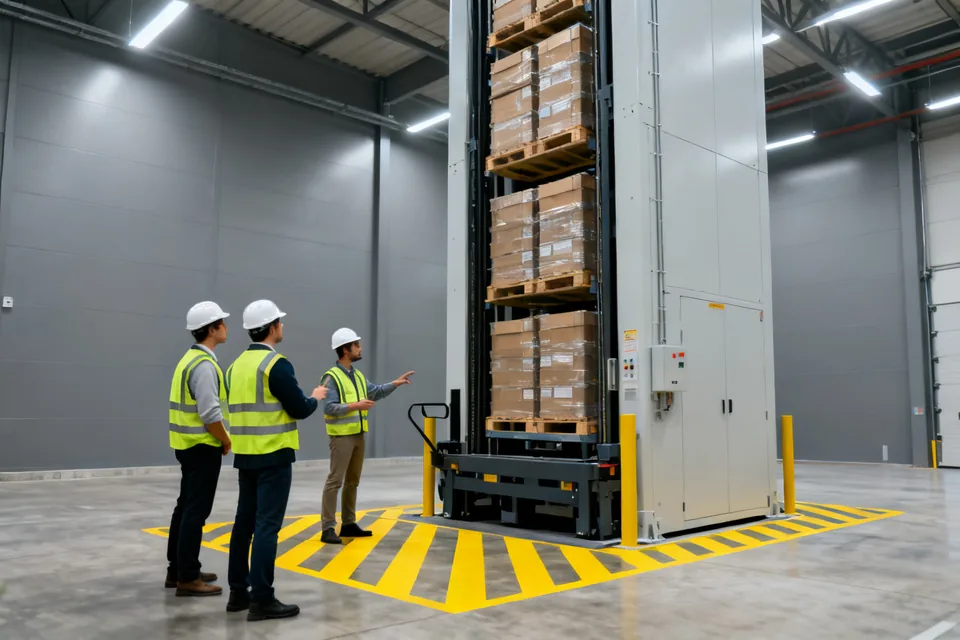
Practical impact beyond equipment geometry
Hänel project documentation doubles as an internal teaching aid for supervisors who inherit dense storage cells. Recovery drills, location coding discipline and interface timeout explanations are written so night-shift teams can act without waiting for a vendor login.
We also keep controversy points explicit: fixed automation versus flexible robotics, density versus direct access, centralized WCS versus modular orchestration, peak rate versus resilience, and greenfield optimization versus brownfield phasing. Naming the trade-off early prevents later blame cycles.
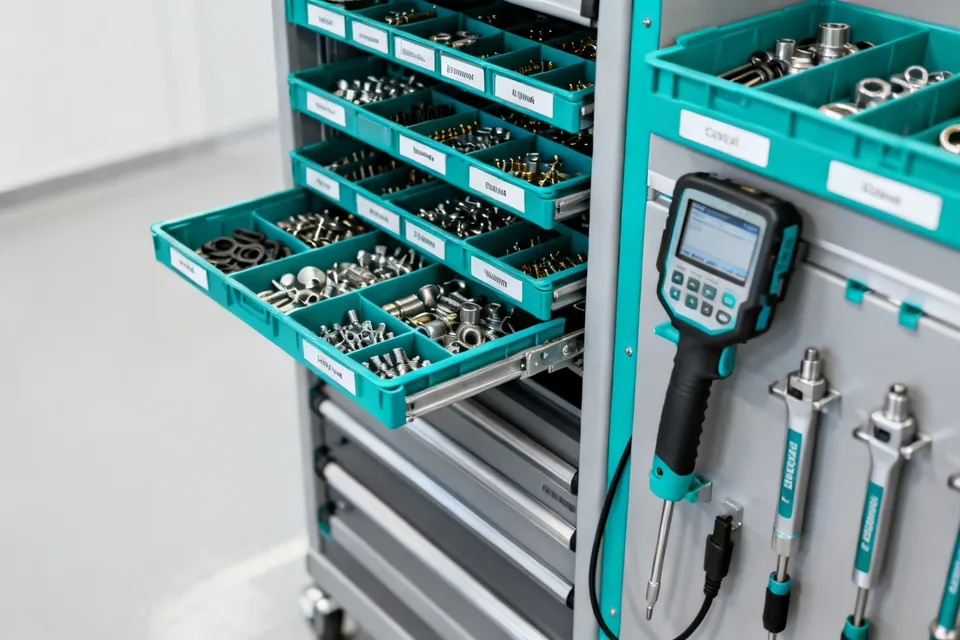
Serviceability as a community of practice
Application, integration and documentation support follow project scope rather than a generic helpdesk script. Teams receive a shared vocabulary for tray pitch changes, buffer occupancy alarms and SAT evidence packs so maintenance and IT/OT stay aligned after go-live.
Talk with Hänel about your storage boundary
Share the loads, flows and acceptance targets you already know. We will show where the RFQ still needs evidence.