State peak order lines per hour with SKU mix, replenishment lag and buffer occupancy—not brochure picks alone.
Capture rate inputs
Vertical storage · Dense AS/RS · Goods-to-person
Hänel storage systems start from measurable trays, SKU velocity and acceptance gates
Map receiving, storage, picking, sortation and shipping against tray or tote envelopes, SKU velocity bands, peak windows and WMS/WCS/PLC ownership. Hänel keeps vertical lift modules, carousels and dense AS/RS cells attached to the material-flow path your warehouse actually runs—so inventory cube utilization, selectivity, fire and maintenance access, and goods-to-person cycle times stay comparable under the same testable gates for order lines per hour.
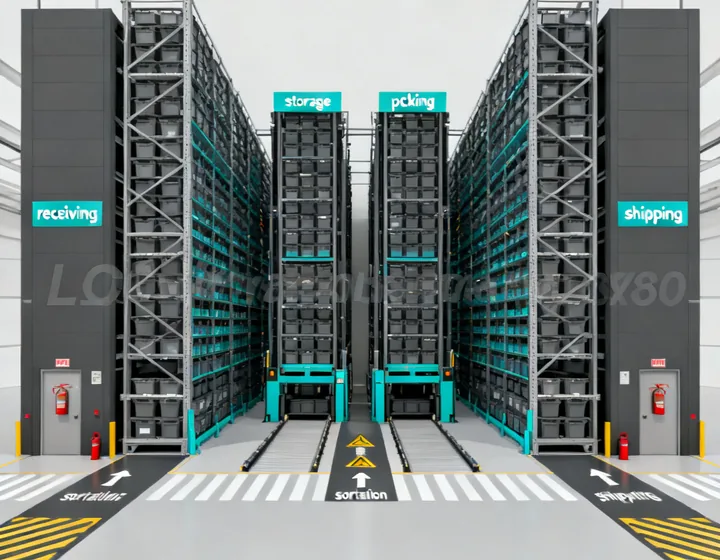
- Receive
- Store
- Pick
- Sort
- Ship
Verify tray travel, interface handshake and exception timeouts on a defined load class before ship release.
Review FAT scopeConfirm system availability language, recovery access and WCS ownership under live aisle constraints.
Review SAT gatesKeep diagnostics, critical spares and mean time to repair procedures visible before operational handover.
Share service boundary
Storage equipment
Hänel product families sized to tray envelopes and access rules
Three evaluation lanes keep vertical lift, carousel and dense AS/RS options comparable under the same load, selectivity and interface checklist.
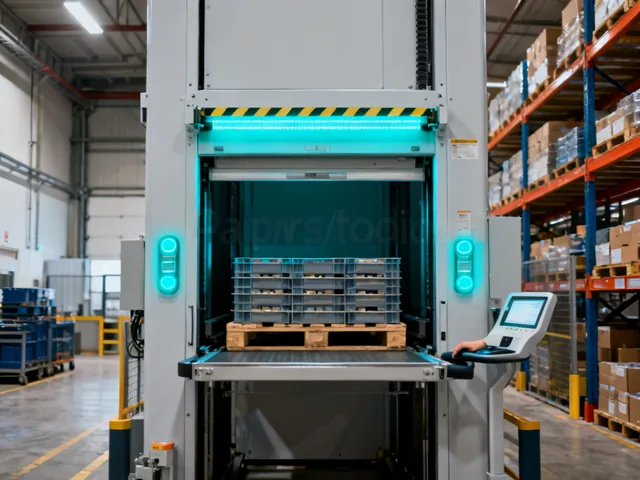
Vertical Lift Modules
Goods-to-person VLMs for mixed SKU depth where tray height, residual capacity and pick-face pacing must stay explicit.
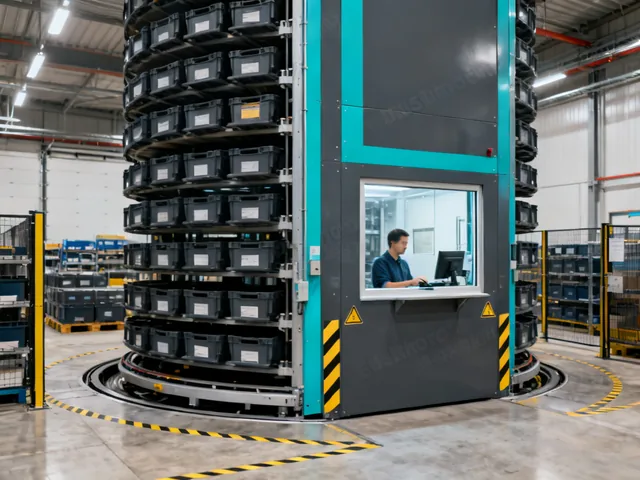
Vertical Carousels
Compact carousel cells for stable SKU sets where cube gain must still protect maintenance access and recovery paths.
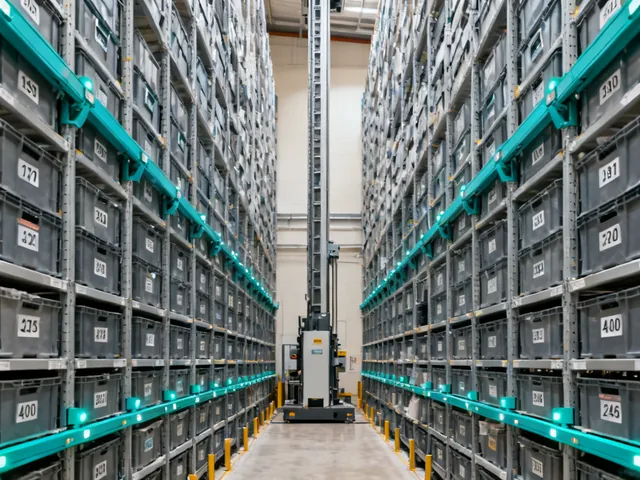
Dense AS/RS Cells
Miniload and shuttle-assisted dense storage when inventory cube utilization must balance sequencing and exception recovery.
Grouped evaluation specs
Freeze Hänel inputs before brochure rates become design rates
Each group isolates one decision layer so load, density, controls and acceptance stay separable during technical review. Planning ranges are scaffolds, not certified throughput claims.
| Load & geometry | |
|---|---|
| Load unit | Tray / tote / bin class with length × width × height and load center |
| Rated load | kg per tray stated with center of gravity and overhang limits |
| Aisle / clear width | mm for operator approach, fire aisle and maintenance extraction |
| Throughput & profile | |
|---|---|
| System throughput | Order lines per hour with SKU velocity bands and peak window |
| Storage capacity | Usable tray/tote locations by load class and reserve strategy |
| Buffer occupancy | Inbound/outbound staging limits during exception recovery |
| Controls & acceptance | |
|---|---|
| Interface cycle time | PLC/WCS handshake and exception timeout in seconds |
| System availability | Subsystem and end-to-end language with mean time to repair |
| Ownership matrix | WMS / WCS / WES / PLC responsibility for host messages |
Operating profiles
Where Hänel dense storage programs are commonly evaluated
Industry labels stay useful only when SKU depth, peak factor and temperature constraints stay attached.
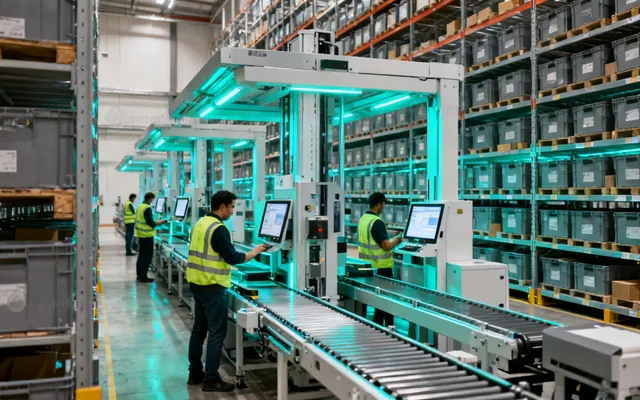
E-commerce fulfillment
High SKU velocity volatility, short peak windows and frequent slotting changes that punish density without recovery access.
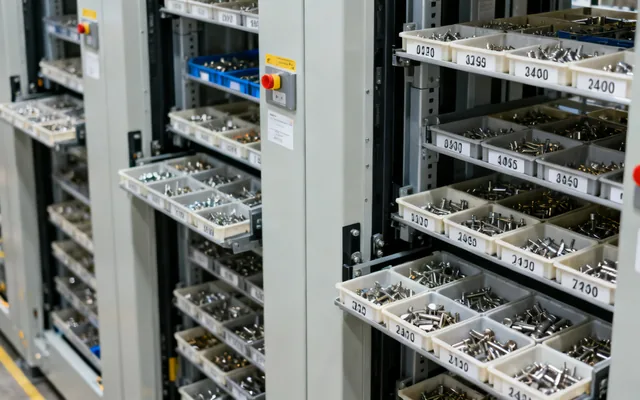
Spare parts & MRO
Deep slow-mover catalogs where selectivity and residual capacity matter more than headline pick rate.
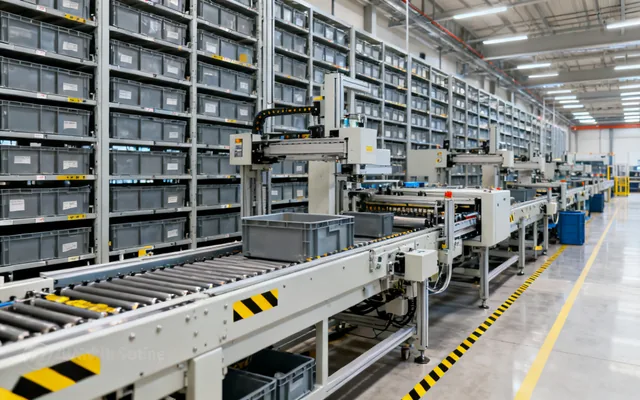
Manufacturing kitting
Line-side kit sequencing that needs stable interface cycle times and clear WCS ownership at each release gate.
Flow-data RFQ
Send Hänel the operating boundary before equipment shortlists harden
Share load unit, SKU/order profile, peak rate, interfaces and site constraints so density, selectivity and acceptance language can be compared without inventing unowned brochure claims.
Open RFQ Data Sheet Contact engineering- Load unit — tray/tote dimensions, rated load, load center
- SKU / order profile — velocity bands, lines per order, replenishment
- Peak rate — design vs peak window with buffer occupancy
- Interfaces — WMS/WCS/PLC ownership and handshake timeouts
- Site constraints — floor, clear height, fire aisles, cutover windows